Designing for Performance
Real-world performance, not theoretical efficiency. Modern homes must deliver comfort, air quality and low energy use across every season.
Performance across a wider range of conditions than ever before
Modern homes must maintain comfort in winter, avoid overheating in summer, deliver good air quality year-round, and manage energy efficiently as prices and demand fluctuate. Our approach focuses on real-world performance — how a building actually behaves when occupied, not how it performs in a theoretical model.
Every design decision is made with occupant experience in mind. Good performance is invisible to the user: the right temperature, fresh air, no noise, and a predictable energy bill.
The Performance Priorities We Design For
Thermal Performance
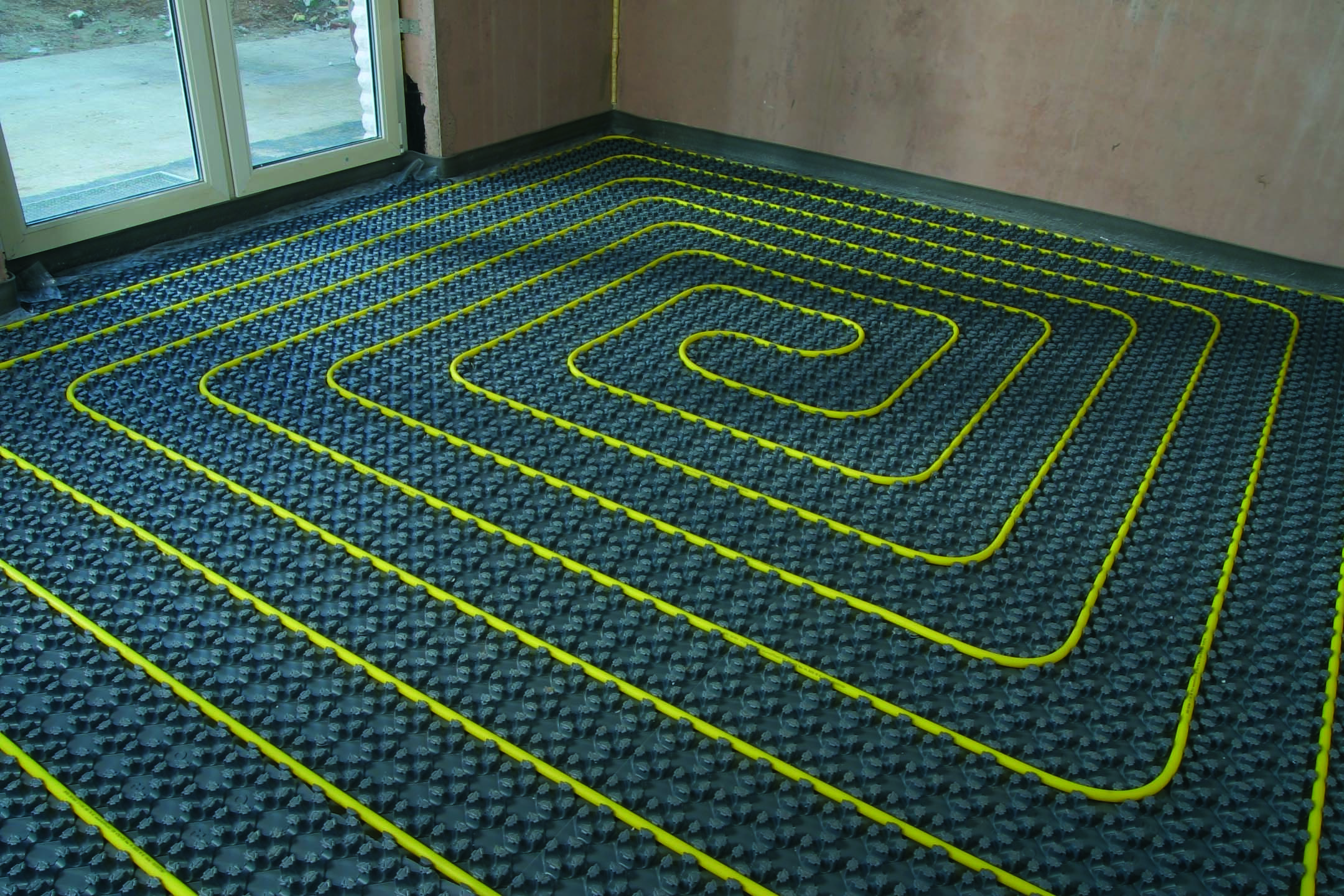
Low-temperature heating systems designed for stability, efficiency and even heat distribution. Correctly sized to the building — never oversized for headroom.
Summer Comfort
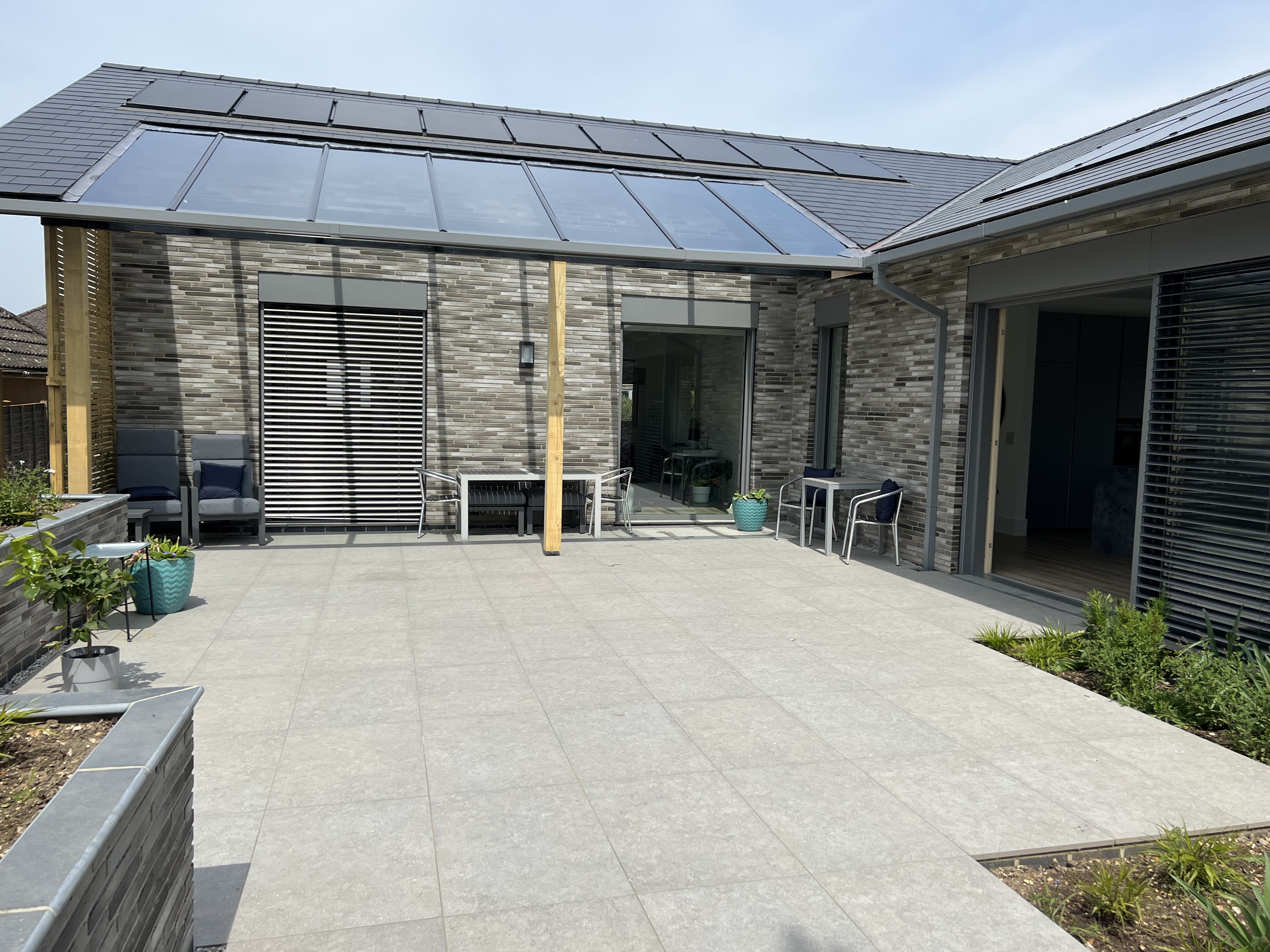
Passive measures supported by active cooling strategies where appropriate. Avoiding overheating without unnecessary energy use or oversized equipment.
Air Quality
Continuous, controlled ventilation designed to manage humidity, filtration and noise. Quiet, effective and invisible in normal use.
Energy Performance
Reducing demand first, then carefully balancing generation, storage and grid consumption to minimise operating costs.
Ventilation designed from the start, not added afterwards
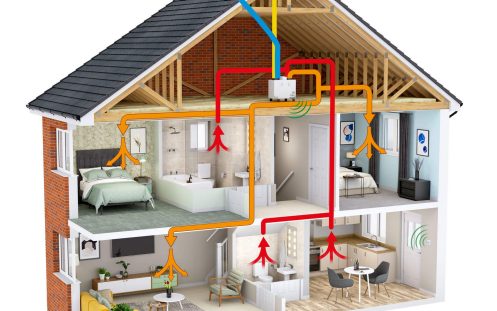
MVHR systems recover heat from extracted air while continuously supplying fresh, filtered air to occupied spaces. In airtight, well-insulated buildings, unmanaged ventilation would otherwise lead to heat loss, humidity problems and poor air quality.
We design MVHR systems with duct routing, noise control and filtration considered from the outset — not as an afterthought. Integration with heating and cooling strategies is built into the design so systems complement, not conflict with, each other.
MVHR TechnologyAvoiding overheating without overcomplicating the system
As UK summers become warmer, managing overheating is increasingly important for well-insulated buildings. We consider passive measures first — orientation, shading and thermal mass — before specifying active cooling.
Where active cooling is required, heat pumps already installed for heating can frequently provide cooling, avoiding the need for additional equipment. The system is designed to handle both modes efficiently.
- Passive solar design considerations
- External shading and glazing strategy
- Active cooling via heat pump where appropriate
- MVHR night purge capability
Net Zero as an Outcome, Not a Target
Net zero operation is achieved by reducing demand and carefully balancing systems — not by simply adding more equipment.
Demand reduction first. Insulation, airtightness, thermal mass and MVHR reduce the energy a building needs before generation is considered.
Generation and storage balanced. Solar PV, battery storage and grid interaction are sized to complement demand — not oversized for headline figures.
The UK Electricity Grid Today
The UK grid already operates with a significant proportion of renewable generation. Low-carbon electricity is embedded, reliable infrastructure — meaning heat pumps are already low-carbon today, and will become greener over time.
Live UK Grid Data ↗Design a home that performs
Talk to us about how integrated system design can deliver comfort, efficiency and long-term reliability for your project.