Air Source Heat Pumps
How Heat Pumps Work
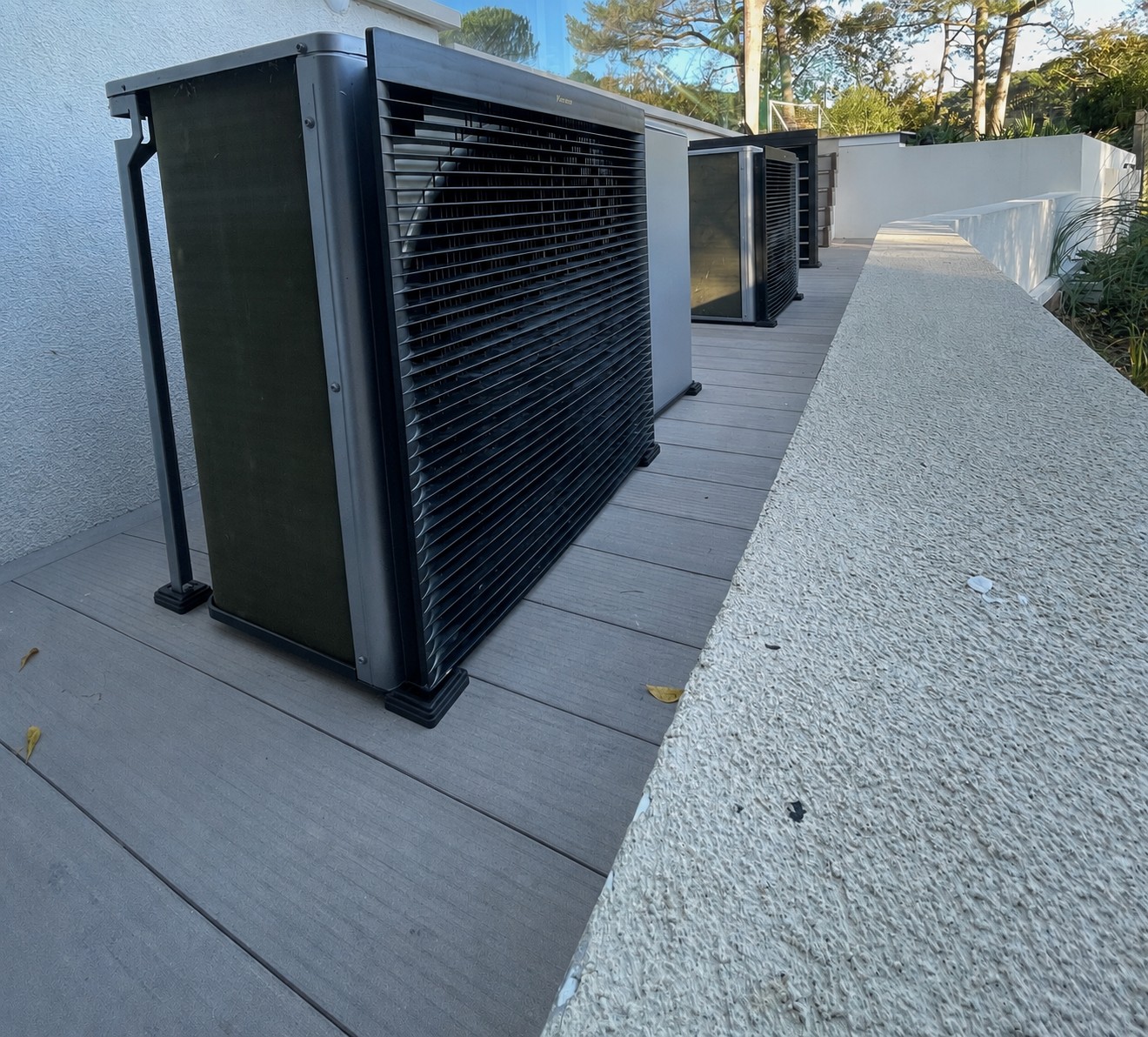
Air source heat pumps collect energy from the outside air and use it to provide heating and hot water. They work differently from traditional boilers, delivering steady, consistent warmth rather than short bursts of very hot water through the heating system.
An air source heat pump can work with underfloor heating, radiators or a combination of both. Because heat pumps generally operate at lower water temperatures than boilers, the property and its heat emitters must be assessed carefully to ensure every room remains comfortable.
Designed for Your Home
At PowerNaturally, every air source heat pump system is designed around a room-by-room heat-loss calculation. We consider:
- The heating requirement of each room
- Existing radiators or underfloor heating
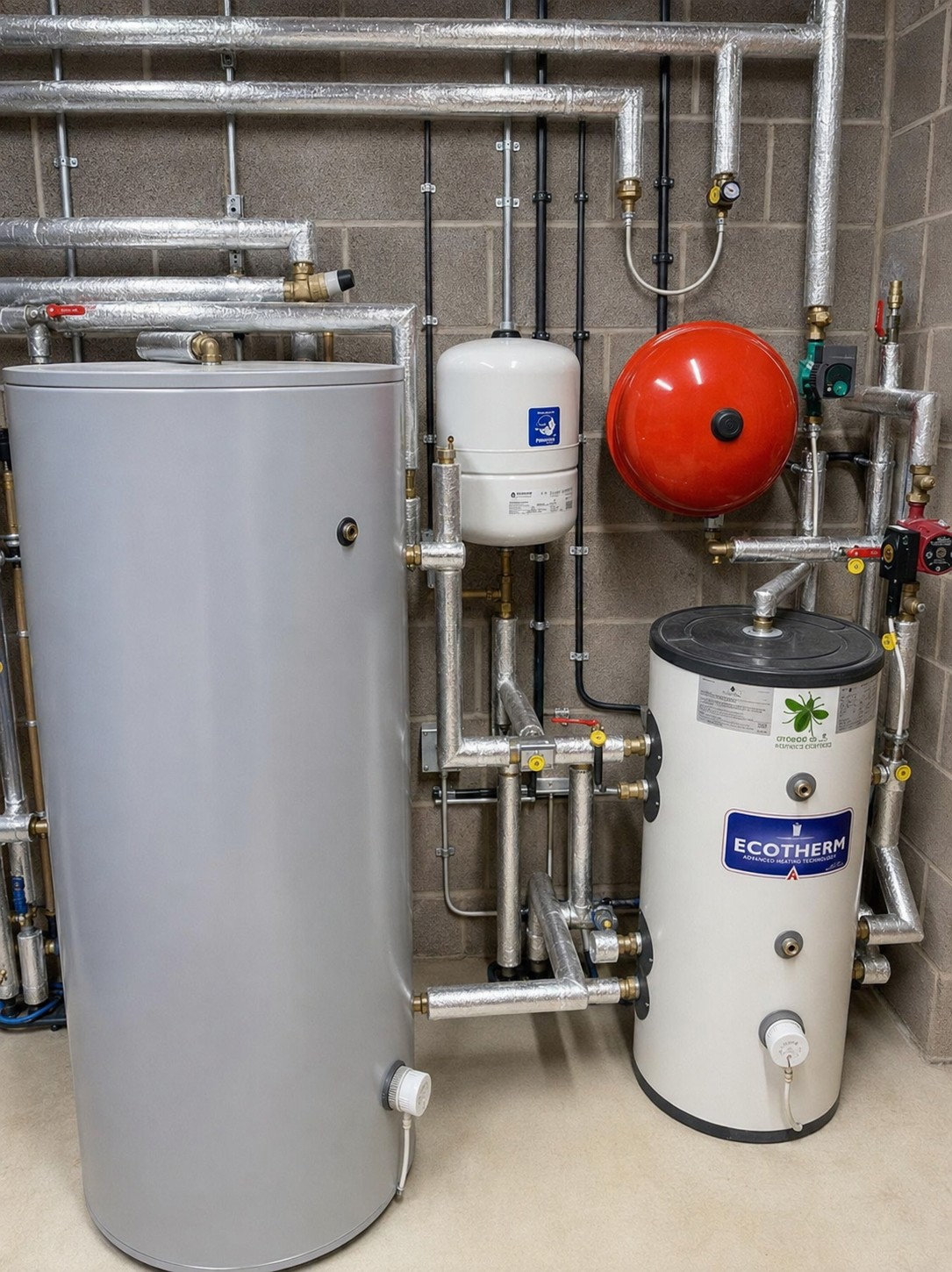
- Household hot-water demand
- Electrical capacity and controls
- Internal and external equipment locations
- Sound and relevant planning requirements
This allows us to select the heat pump, hot-water cylinder and supporting equipment around the property rather than relying on its floor area or existing boiler size.
Air Source Heat Pump Installers Across Dorset and the South
Based in Ferndown, PowerNaturally designs, installs and services air source heat pumps across Dorset, Somerset, Hampshire and Wiltshire, supporting projects from initial assessment through to commissioning and handover.
Choosing with Confidence
Five useful questions to ask when comparing air source heat pump quotations, proposals and system designs.
Question 1Has the heat pump been sized for the coldest days of the year?
A heat pump should be selected using a room-by-room heat-loss calculation, not simply the size of the existing boiler or the property's floor area. The calculation should state the total heat loss in kilowatts and the outdoor temperature used. In Dorset, this is commonly around -3°C to -4°C, depending on the property's exact location.
Check that the proposed heat pump can provide the required output at that outdoor temperature and at the intended heating flow temperature. A unit described as 12kW, for example, may not still provide 12kW when the weather is below freezing or when operating conditions change.
Question 2What flow temperature should the heating system be designed around?
Flow temperature is the temperature of the water circulated through your radiators or underfloor heating. Heat pumps generally operate more efficiently at lower flow temperatures, helping to reduce energy use and running costs.
Because boilers usually supply much hotter water, existing radiators may not provide enough heat when connected to a heat pump. As part of the system design, each radiator should therefore be assessed at the proposed lower flow temperature and upgraded where necessary.
The correct flow temperature will depend on the property's heat loss and the size of its heat emitters. A well-designed system should ensure that every room can reach its required temperature without making the heat pump work harder than necessary.
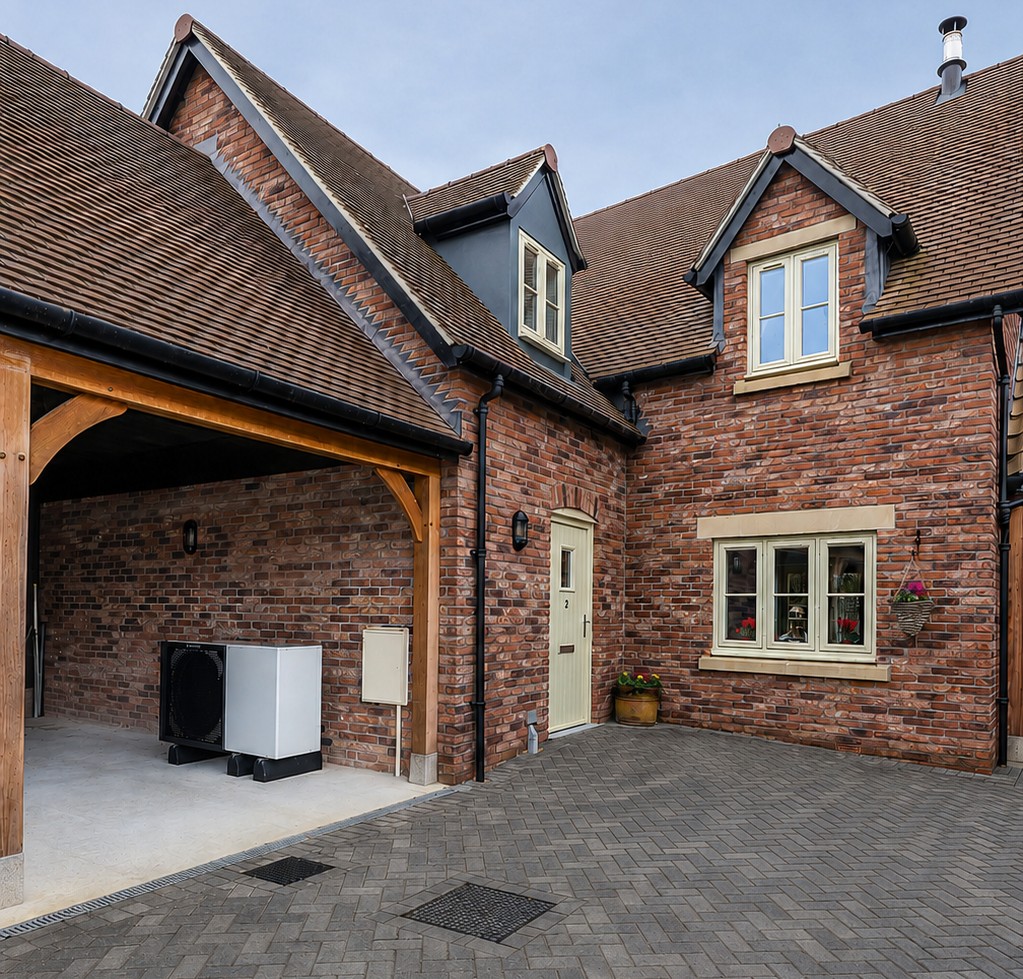
Question 3Has the outdoor unit's position and sound impact been assessed?
Do not compare heat pumps using the manufacturer's sound-power figure alone. This is measured at the unit and is not the same as the sound level experienced at a neighbouring property.
The installer should check the proposed location by undertaking an MCS noise assessment survey. The current assessment limit is 37dB(A), a sound level lower than a library setting, as measured at the relevant assessment position.
Distance, surrounding walls, barriers and reflective surfaces can all affect the result. The installer should also consider airflow, servicing access, condensate drainage, visual impact and whether planning permission may be required for the chosen location.
Question 4Does the quotation account for the complete heating and hot-water system?
The outdoor unit is only one part of the installation. The quotation should clearly show what else is included, such as the hot water cylinder, controls, pipework and electrical work.
The design should also consider the household's hot-water demand and the expected cylinder reheat time.
Check whether radiator upgrades, system cleaning, the outdoor unit base and removal of old equipment are included or to be completed by others.
Question 5Does the performance estimate explain the assumptions being used?
A useful proposal should provide a realistic indication of how the heat pump may perform, including the expected annual electricity use, estimated efficiency and likely running cost.
SCOP is a simple way of showing expected efficiency over a full heating season. For example, a SCOP of 3 means the heat pump is expected to provide around 3 units of heat for every 1 unit of electricity it uses.
The estimate should state the assumptions behind the figures, including electricity tariffs, room temperatures, hot water cylinder and flow temperatures. Any predicted saving is only meaningful when these assumptions are clear.
Discuss an Air Source Heat Pump Project
Whether you are replacing an existing heating system or planning a new build, we can help design a heat pump system that works properly for your property.