Solar & Battery
Making the Most of Solar
Solar photovoltaic panels generate electricity from daylight, reducing the amount of energy imported from the grid. Electricity is produced throughout the year, although the amount generated will vary with the season, weather, roof orientation and shading.
Electricity generated by the solar panels is available to the home first. Depending on the equipment installed, surplus generation can then be:
- Stored in a home battery
- Used by a compatible EV charger
- Diverted to heat hot water
- Exported to the electricity grid
- Retained for backup power where this has been designed into the system
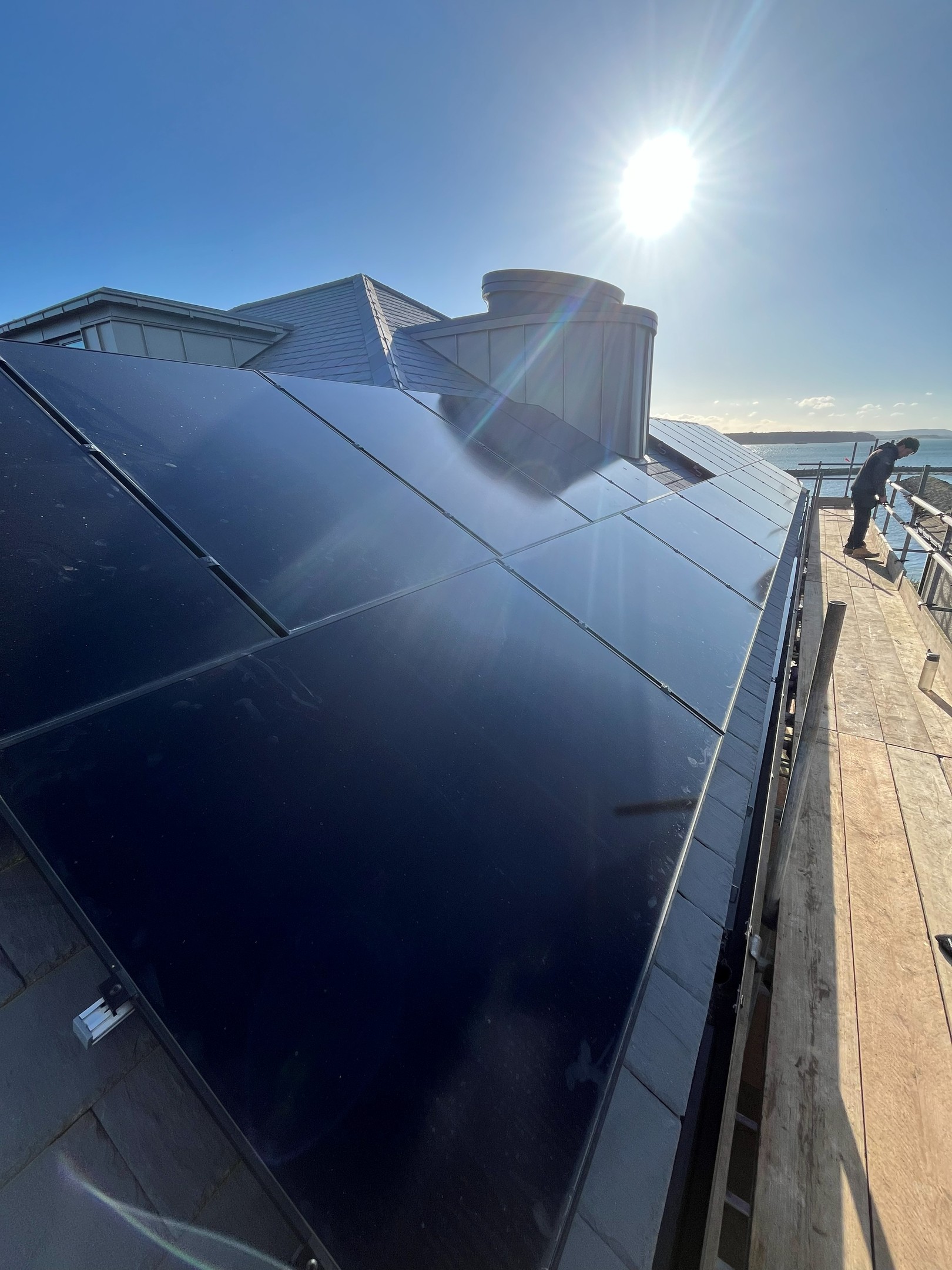
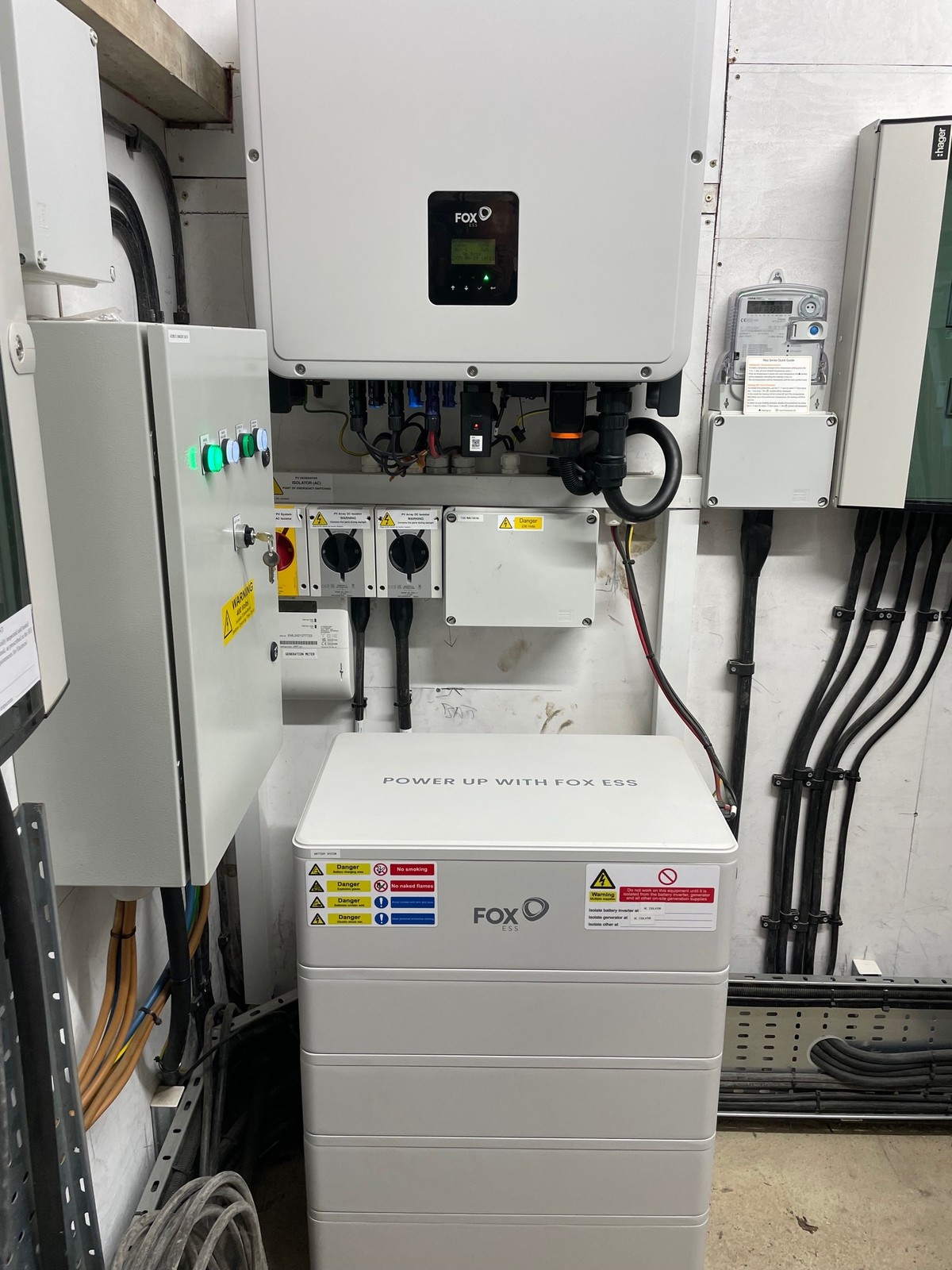
Designed Around Your Energy Use
Home battery storage can also be used alongside suitable electricity tariffs, charging during selected lower-cost periods for use later. The battery capacity and charge or discharge power should be matched to the property rather than simply selecting the largest available product.
PowerNaturally designs each solar PV and battery system around the property's roof or available land, electricity consumption, future energy requirements and local network capacity. We can also account for planned heat pumps, EV charging and other significant electrical loads.
Solar Panel & Battery Installers Across Dorset and the South
As MCS-certified solar panel and battery installers, we serve homes across Dorset, Somerset, Hampshire and Wiltshire from initial survey and system design through to installation, monitoring setup and certification.
Choosing with Confidence
Five useful questions to ask when comparing solar panel and battery quotations, proposals and system designs.
Question 1What is the predicted solar generation, and how will that energy be used?
Solar panel capacity is measured in kilowatt peak, or kWp. Predicted annual generation is measured in kilowatt-hours, or kWh. These are different, so the quote should show both.
A good proposal should state the roof direction, pitch, location and shading assumptions used to estimate generation. It should also explain how much solar electricity is expected to be used in the property, stored in a battery or exported to the grid. This will depend on the household's electricity use, whether anyone is home during the day and whether there is an EV charger, heat pump or battery storage.
Do not compare quotes by the number of panels alone. Two systems with the same number of panels can generate different amounts of electricity and therefore different financial benefits.
Question 2Does the quote clearly specify the panels, inverter and battery?
The quotation should name the make and model of the main equipment, including the number and output of the panels, the inverter rating and the battery capacity.
For the battery, check the usable capacity. Battery capacity is measured in kWh and shows how much energy can be stored. Battery power is determined by the inverter, measured in kW and shows how much electricity the battery can supply at one time.
The warranties should be shown clearly for each main part of the system. This includes the panel product and performance warranty, inverter warranty and battery warranty.
Question 3Has the roof, fixing method and battery location been properly assessed?
The quotation, site survey or supporting design information should identify the proposed mounting system and confirm that it is suitable for the roof covering, pitch and construction. It should also allow for the roof condition, structural suitability, safe access and scaffolding requirements. Any items that remain subject to a structural survey or further inspection should be stated clearly.
The proposed battery position should be identified, together with any requirements for ventilation, clearances, internet connection or additional electrical work.
Question 4Has the grid connection been considered?
The quote should explain what permission or notification is needed from the local electricity network before the system is connected. This depends on the type of electricity supply and the size of the inverter(s).
For a typical single-phase home, systems up to 3.68kW of inverter capacity are usually simpler to notify. Larger systems normally need approval before installation. Properties with a three-phase supply can often connect more, but this still needs to be checked.
The export limit is the maximum power the system is permitted to send back to the grid. The network operator may require larger systems to be export limited to protect surrounding grid infrastructure and they will state this in their connection agreement.
The proposal should identify who will submit the required notification or application - this is normally the installer.
Question 5Are the predicted savings property specific?
The savings estimate should be based on how the property actually uses electricity, not just the size of the solar panel system. The quote should show the assumed annual electricity use, import tariff, export tariff and how much solar energy is expected to be used directly.
If a battery is included, it should explain whether the battery will store surplus solar, charge from cheaper overnight electricity or combine these functions. A larger battery is not automatically better. If it cannot be charged and discharged regularly, some of the capacity may provide little financial benefit.
Backup power should also be clearly explained. A battery does not automatically keep the property running during a power cut. If backup is included, the quote should state whether the whole property or only selected circuits will be supported and the maximum backup output in kW.
Discuss a Solar & Battery Project
We can design a system around your roof, electricity use and energy priorities - whether that is reducing bills, adding backup power or working alongside a heat pump and EV charger.